Electrical Gremlins: Fuses, Turn Signals and Dash Lights
Small electrical faults have real, findable causes, and they don't usually fix themselves.
September 23, 2026 · 4 min read
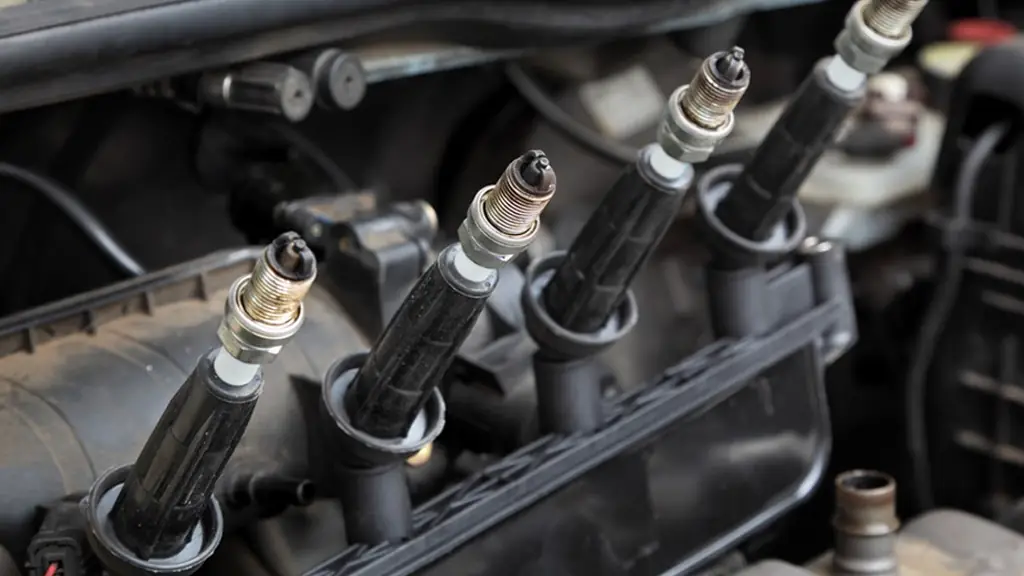
Every shop hears some version of the same story: a fuse that keeps blowing, a turn signal that stopped working for no obvious reason, a dashboard light that flickers on a bump in the road. Drivers call these gremlins because they seem to come and go without explanation, but electrical faults almost always have a real, findable cause. Left alone, small ones tend to get worse rather than fix themselves, and a fault that only shows up occasionally today is often the same fault that fails completely a few months from now.
A blown fuse is telling you something
A fuse's whole job is to blow before a wire does, cutting power the moment a circuit draws more current than it should. Replacing a blown fuse and moving on works exactly once. If it blows again, something in that circuit is pulling too much current, a short where insulation has worn through and bare wire is touching metal, a failing component drawing more than it should, or a connector that's corroded and arcing. Chasing down which one it is takes tracing the circuit, not swapping fuses until one happens to hold. A fuse box diagram alone won't tell you which, since two very different problems can trip the exact same fuse.
Dead turn signals and dash lights
A turn signal that clicks unusually fast is almost always telling you a bulb has burned out, since the flasher relay senses the change in electrical load and speeds up. A signal that doesn't work at all, on the other hand, points further up the chain, toward the switch inside the steering column that's worn from years of use, or a break in the wiring feeding it. Installing a quality turn signal switch or bulb is straightforward, ordinary work, and it's often the whole fix rather than the start of a bigger one. Dash lights that flicker, rather than staying on or off, more often point toward a loose connector or a wire that's making intermittent contact than toward the bulb or gauge itself.
Grounds are half of every circuit
Every electrical circuit needs two paths, one carrying power to a component and one carrying it back, and in most vehicles that return path runs through the metal body and frame rather than a second dedicated wire. That connection, the ground strap or ground point, corrodes and loosens just like any other connection over time, and a bad ground causes some of the strangest-looking symptoms in the business: lights that dim when another accessory switches on, gauges that read wrong, a radio that only cuts out over bumps. It gets overlooked because there's no obvious wire to trace, just a bolt and a patch of bare metal that's quietly gone bad, which is exactly why it's worth checking early rather than last.
Why these faults get worse if you leave them
Wiring in any vehicle, whether it's a daily driver, a work truck or a tractor that lives outside, is exposed to years of vibration, heat cycling and moisture, all of which slowly wear at insulation and connectors. A wire that's chafed halfway through can work fine for months, intermittently, before finally failing for good, often at the worst possible time. Corrosion at a connector behaves the same way, getting worse with every heat and cool cycle rather than staying stable. An intermittent gremlin today is often a dead circuit later, and by then it can take out other things sharing the same fuse or ground point. Vibration makes all of this worse in a work truck or anything that spends time on rough roads or unpaved ground, since the constant motion is exactly what loosens a connector or finishes off a wire that was already chafed halfway through.
Worth having looked at, not lived with
Intermittent electrical faults are genuinely hard to chase down on your own, since the fault has usually stopped acting up by the time you're looking at it. That's ordinary, everyday work for a shop that does electrical diagnosis all day, and there's a real safety angle too: turn signals and dash warning lights exist to communicate with other drivers and with you, and a gremlin in either one is worth more than a shrug.
None of this requires guessing which part to swap and hoping. It requires tracing the circuit back to whatever's actually loose, corroded or chafed, which is exactly why a fault that's stumped a driver for weeks can often get sorted out in a single visit once someone starts at the right end of the wire.
AAMAC Auto Electric handles wiring and small electrical repairs, including turn signal switches and bulbs, for cars, trucks, boats and tractors around Gainesville, and every visit starts with a free electrical-system check so you know what's actually wrong before any work begins. If something electrical on your vehicle has been acting up, call (352) 378-7676 and describe what it's doing.
AAMAC Auto Electric, (352) 378-7676
Call (352) 378-7676More articles
Battery, Starter or Alternator? How to Tell Which One Failed
A car that won't start is telling you something specific, if you know what to listen for.
What a Refurbished Alternator or Starter Actually Is
Refurbished doesn't mean used as-is, and the warranty behind it is worth understanding before you say yes to the work.