Battery, Starter or Alternator? How to Tell Which One Failed
A car that won't start is telling you something specific, if you know what to listen for.
September 23, 2026 · 4 min read
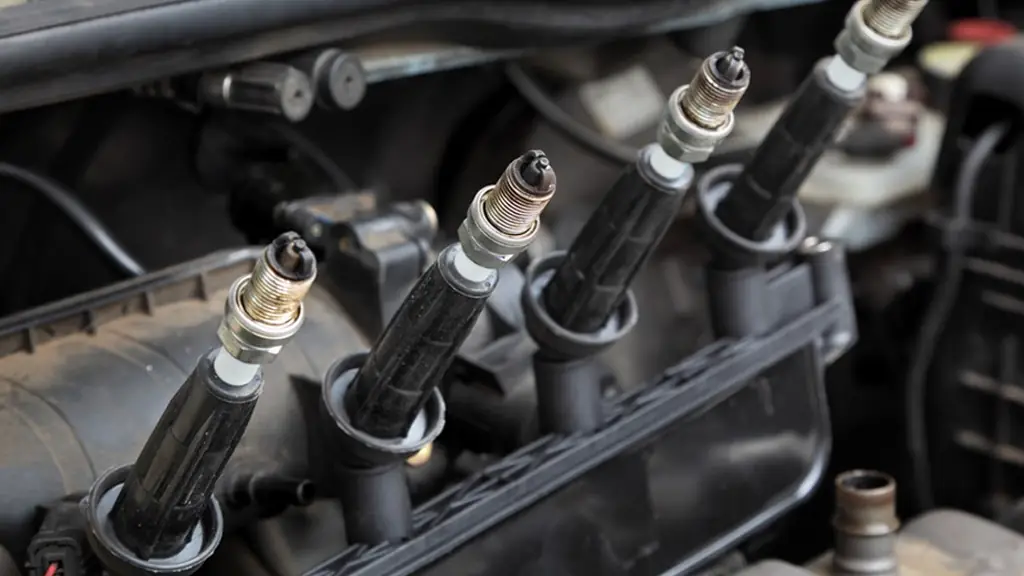
Turn the key and nothing happens, or almost nothing, and the first question is always the same: is it the battery, the starter or the alternator? All three live in the same corner of the engine bay and all three can leave you stuck in a parking lot, but the way each one fails is different enough that you can usually get a strong read before a tool ever touches the car. Most drivers assume the worst, a full replacement and a big job, when the real answer is often narrower than that once you know what to listen and look for. Here's how to tell them apart.
A single click and silence
If you turn the key and hear one loud click, then nothing, that's usually the starter solenoid trying to engage and failing to turn the engine over. It can also be a battery too weak to deliver the punch of current a starter motor needs, even though it had enough charge to power the radio and dome light a minute earlier. The way to tell them apart without a meter is simple: turn on the headlights first. If they're bright and steady and you still get that single click, the battery is probably fine and the starter or its wiring is the more likely culprit. If the headlights are dim or barely glow, the battery is the first thing to check. A repeated clicking, several quick clicks rather than one, usually points more firmly at the battery, since it suggests there's just enough charge to engage the solenoid but not enough left to actually spin the starter motor.
A slow, groaning crank
A crank that turns over slowly, that low groaning sound instead of a quick spin, is the classic sign of a battery that's low on charge or reaching the end of its life. Cold mornings make this worse because cold slows the chemical reaction inside the battery itself, which is why a battery that started the car fine all summer can suddenly struggle on the first cold snap of the year. A slow crank can also point to corroded battery terminals or a loose connection, since either one chokes down the current before it ever reaches the starter. Cleaning the terminals is worth trying before assuming the battery itself is bad. A battery that's simply old tells its own story too: most car batteries have a useful life measured in years rather than decades, and one that's never been replaced since the car was new is a reasonable first suspect on a slow crank regardless of what else is going on.
A dashboard warning that won't quit
A battery-shaped warning light on the dash almost always points at the charging system, meaning the alternator, not the battery itself. The alternator's job is to recharge the battery and power everything electrical while the engine runs, so when that light comes on, the car is telling you it's currently running on battery power alone and that battery is draining. Ignore it long enough and the car will eventually stall or refuse to restart, not because the battery failed on its own but because nothing was replacing the charge it was using. Some cars pair that light with other warnings, an ABS light or a power-steering message, because those systems are electrically hungry too and are among the first to complain when voltage starts to sag.
Headlights that dim while you're driving
Dimming headlights at idle that brighten again when you rev the engine, a radio that cuts out under load, or accessories that feel sluggish while driving are all signs pointing the same direction: the alternator isn't keeping up with demand. This is different from a dead battery, which usually shows up as a car that won't start at all rather than one that runs rough while you're already on the road. If the car started fine this morning and is acting up now that you're driving around Gainesville with the AC and headlights on, the alternator deserves a look before anything else.
When the symptoms overlap
A weak battery and a marginal alternator often travel together, because a battery that's struggling gets asked to fill in whatever the alternator can't keep up with, and that extra strain shortens the battery's life further. That's why a car can seem to have a clear-cut battery problem one week and an alternator problem the next: the two were quietly wearing on each other the whole time. It's also why a jump start that gets the car running doesn't necessarily mean the problem is solved, since a jump only proves the engine can run, not that the charging system feeding it is healthy.
- One click, then silence: usually the starter, sometimes a weak battery
- Slow groaning crank: usually the battery, check terminals first
- Battery warning light while running: almost always the alternator
- Dimming lights or sluggish accessories while driving: alternator not keeping up
- Nothing at all, not even a click: check battery connections and ground straps first
None of this replaces an actual diagnosis, since a weak battery can mask a failing alternator and a bad ground can mimic almost any of the above. AAMAC Auto Electric has been sorting out exactly these puzzles in Gainesville since 1968, and every visit starts with a free electrical-system check so you know what's actually wrong before anyone touches a wrench. If your car is doing any of the above, call (352) 378-7676 and describe what you're hearing. That description alone usually points the shop in the right direction before the car even arrives.
AAMAC Auto Electric, (352) 378-7676
Call (352) 378-7676More articles
What a Refurbished Alternator or Starter Actually Is
Refurbished doesn't mean used as-is, and the warranty behind it is worth understanding before you say yes to the work.
Why Your Car's A/C Blows Warm in a Gainesville Summer
Warm air from the vents in a Florida summer usually has one specific cause, and finding it beats guessing with a can from the parts store.