What a Refurbished Alternator or Starter Actually Is
Refurbished doesn't mean used as-is, and the warranty behind it is worth understanding before you say yes to the work.
September 23, 2026 · 4 min read
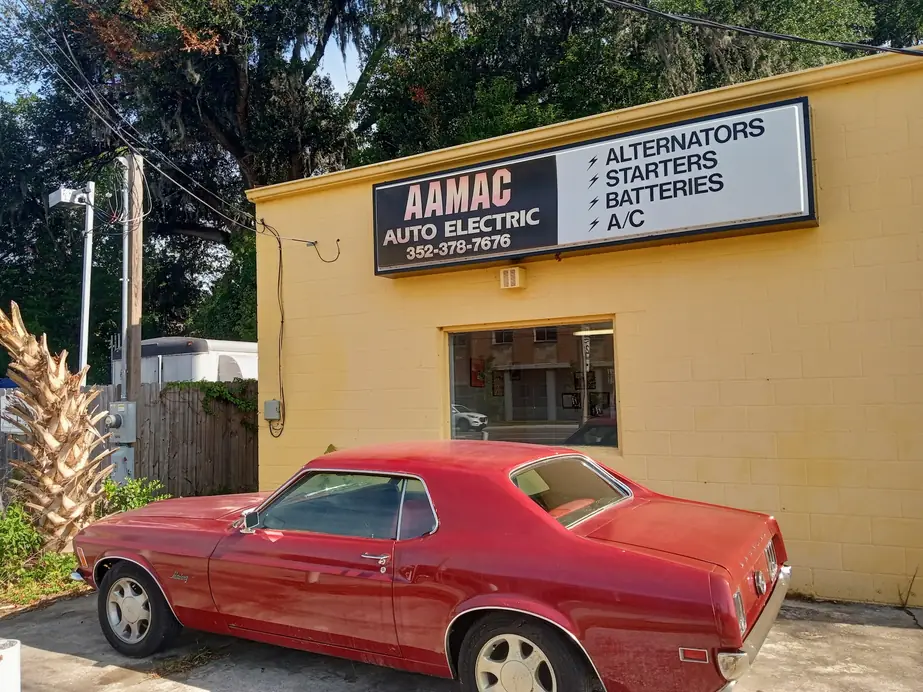
When an alternator or starter finally gives out, a shop will often offer a refurbished replacement instead of a brand new one straight from a factory box, and that word, refurbished, makes some drivers nervous. It shouldn't. A properly refurbished alternator or starter is a real, fully rebuilt part, not a used one dropped back into your car and hoped for the best. Here's what actually happens to a part before it goes back under your hood, and what a warranty on it really means for you.
What rebuilding actually involves
It helps to think of the whole unit as an assembly of a few dozen individual parts rather than one solid block that either works or doesn't. Some of those parts see real wear every time the engine runs, and some barely wear at all over the life of the vehicle. A rebuild is the process of sorting out which is which on this specific unit, rather than assuming every part needs replacing or, just as bad, assuming none of them do.
A worn alternator or starter is taken apart down to its individual components, and the parts that actually wear out over years of use, brushes, bearings, bushings, solenoids, the internal diodes and windings that do the electrical work, get inspected and replaced where they've worn past spec. The housing and the heavier internal parts that don't wear the same way often get reused, since there's nothing wrong with them. What comes back together is tested before it ever goes into a customer's car, checked under load to confirm it's putting out the right voltage or spinning the engine over the way it should. Technicians who do this regularly, on parts for cars, trucks, tractors and marine engines alike, learn where each part tends to fail and what to check twice.
Why refurbished doesn't mean lower quality
Rebuilding an alternator or starter is a standard, long-established part of the auto trade, not a shortcut. The core casting and heavier internals of these parts are often built to outlast several rebuild cycles, which is part of why the practice exists at all. A properly rebuilt part does the same job as new, and the labor that goes into testing it catches problems a brand-new part straight off an assembly line wouldn't need checked in the first place. Quality doesn't require a big price tag, it requires the rebuild being done right and tested before it leaves the shop.
How long a rebuilt part actually lasts
A common concern is whether a rebuilt alternator or starter is a temporary fix wearing a permanent price tag. In practice, a properly rebuilt part is subject to the same wear factors as a new one: heat under the hood, vibration from the road, and the electrical load the vehicle actually places on it. None of those factors care whether the part started life new or rebuilt, which is part of why a properly rebuilt unit can give the same kind of service as new when the rebuild itself was done thoroughly. What matters more than the word on the box is whether the specific worn components inside were actually replaced rather than skipped, which is exactly what the testing step before it leaves the shop is meant to catch.
What the warranty is actually promising
A one-year warranty on the part itself and a 90-day warranty on the labor to install it means roughly what it sounds like: if the rebuilt alternator or starter fails within a year, the part is covered, and if something about the installation itself causes a problem in the first 90 days, that's covered too. Refurbished batteries carry their own coverage as well. Warranty terms are worth asking about directly rather than assumed, since coverage can vary by part and by vehicle, so ask before the work starts, not after.
Repair, rebuild or replace
It's also worth knowing that a warranty is only as useful as the diagnosis behind it. A part replaced to solve a problem that was actually somewhere else, a bad ground, a chafed wire, a failing connector, will pass its own warranty terms just fine while the original complaint comes right back. That's one more reason the diagnosis matters as much as the part itself.
Not every electrical problem needs a new or rebuilt part at all. Corroded terminals, a loose ground strap, a worn belt or a bad connector can mimic a failing alternator or starter and get fixed for the cost of cleaning and tightening rather than swapping a component. That's the point of a proper diagnosis before any work begins: knowing which category the problem falls into, a quick fix, a rebuild, or a full replacement, before anyone commits to a repair.
AAMAC Auto Electric has been refurbishing alternators, starters and batteries for cars, trucks, tractors and boats in Gainesville since 1968, and every job starts with a free electrical-system check and a quote you'll see before any work begins, so you know exactly what's being replaced and why before you say yes. If your alternator or starter is on the way out, call (352) 378-7676 and ask what a rebuild would involve for your specific vehicle.
AAMAC Auto Electric, (352) 378-7676
Call (352) 378-7676More articles
Battery, Starter or Alternator? How to Tell Which One Failed
A car that won't start is telling you something specific, if you know what to listen for.
Why Your Car's A/C Blows Warm in a Gainesville Summer
Warm air from the vents in a Florida summer usually has one specific cause, and finding it beats guessing with a can from the parts store.